Your Cart is Empty


Subtle and fresh..a lovely light fragrance with both Cucumber and Melon highlights... Very nice
Been using this brand wick for over 14yrs and have never had an issue.
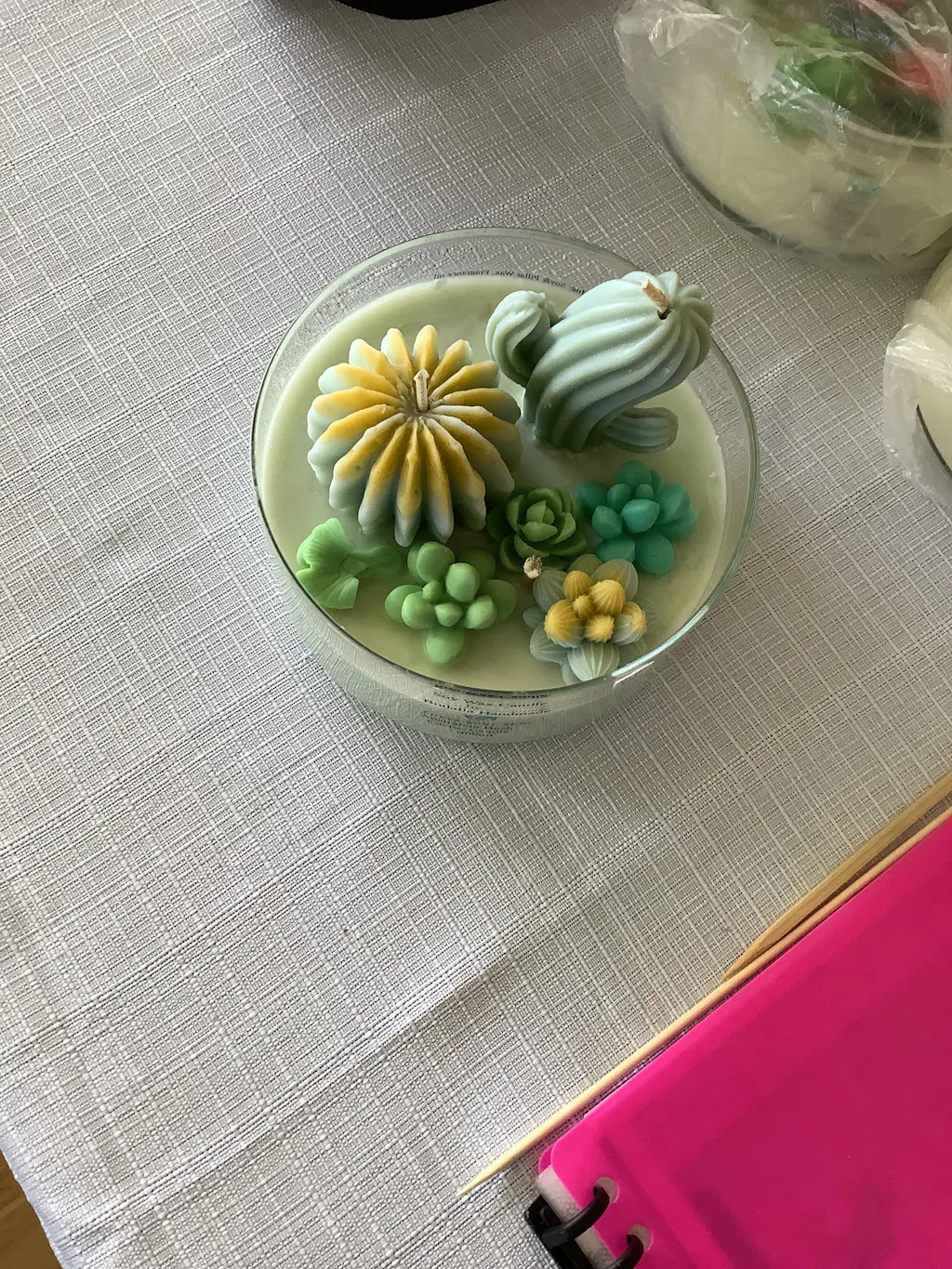
Love this fragrance used it in soy wax candle beautiful

Looking for something?

One of the biggest misconceptions in candle making is the belief that if a candle does not smell strong enough, the answer is simply to add more fragrance oil.
Unfortunately, candle making is not that simple.
In fact, adding too much fragrance oil can actually reduce scent throw, create poor burning candles, cause wick issues, lead to oil seepage, and in some cases create unsafe combustion conditions.
At Aussie Candle Supplies, we often see makers chasing stronger scent throw by continuously increasing fragrance load percentages when the real issue may actually be:
Understanding how fragrance load actually works will make you a far better candle maker — and save you a lot of frustration, wasted wax, and failed testing.
Fragrance load refers to the percentage of fragrance oil added relative to the amount of wax being used.
For example:
Simple enough.
However, what many beginners do not realise is that every wax has a practical limit to how much fragrance it can properly hold and burn effectively.
Think of wax like a sponge.
At first, the sponge absorbs water well.
But eventually, once it becomes saturated, any additional water simply leaks out.
Wax behaves very similarly with fragrance oil.
This is the part many people find surprising.
A candle overloaded with fragrance oil may actually:
Why?
Because candles are a system.
The wax, wick, vessel and fragrance all work together. Once you overload one part of the system, the entire burn performance changes.
A wick must not only burn wax — it must also successfully combust the added fragrance oil.
The heavier the oil load becomes, the harder that job gets.
This is why two candles with identical jars and wax can behave completely differently simply because one fragrance oil is much heavier or more difficult to burn than the other.
Different waxes have different fragrance holding capacities.
As a general guide:
| Wax Type | Typical Fragrance Range |
|---|---|
| Soy Container Wax | ~6–10% |
| Coconut Blends | ~8–12% |
| Paraffin Blends | ~6–12% |
| Pillar Waxes | Usually lower |
| Beeswax | Often lower again |
But this is where people get caught out:
Just because a wax can technically hold a certain percentage does not mean it will perform well at that percentage.
There is a major difference between:
In many cases, a candle at 7–8% may actually outperform the same candle at 10–12%.
Why?
Because combustion efficiency matters more than simply stuffing more oil into the wax.
One of the clearest signs of fragrance overload is oil seepage or sweating.
This can appear as:
While heat exposure can sometimes contribute to sweating, overload is often the main culprit.
Once wax becomes oversaturated:
This becomes especially noticeable during:
And no — adding more fragrance oil to “fix” weak scent throw usually makes this problem worse, not better.
A candle wick is carefully selected to:
But when fragrance loads become excessive, several things can happen:
Excess carbon builds on the wick tip.
Incomplete combustion creates visible smoke and black residue.
Heavy oils can interfere with capillary action, preventing the wick from pulling fuel properly.
Some overloaded candles burn excessively hot trying to consume the additional fuel.
Large flickering flames often indicate the wick is struggling to maintain proper combustion balance.
This is why experienced candle makers test extensively.
There is no “one wick fits all” answer.
Even changing from one vanilla fragrance to another may require wick adjustments.
Modern candle makers are constantly exposed to social media claims about:
Unfortunately, many of these claims ignore the realities of proper candle performance.
Strong scent throw is not created by simply pouring in more oil.
It comes from balance.
A properly balanced candle considers:
A beautifully balanced candle at 7% can easily outperform an overloaded 12% candle that burns poorly.
Another common misunderstanding is confusing cold throw with hot throw.
How the candle smells unlit.
How the candle performs while burning.
Some fragrances naturally produce:
This is completely normal.
A candle that punches you in the face when cold is not automatically a better burning candle.
In fact, some heavily sweet or volatile fragrances may smell incredibly strong cold but perform less effectively once heat is applied.
This is another area where beginners often sabotage their results.
Soy candles especially require time for the fragrance and wax to properly bind together.
Testing too early often leads makers to believe:
When in reality, the candle simply has not cured properly yet.
Patience is one of the least exciting parts of candle making — but also one of the most important.
Professional candle making is not about chasing the highest fragrance percentage possible.
It is about creating:
That balance point is different for:
This is why testing matters so much.
When testing fragrance loads:
And most importantly:
Do not assume that adding more fragrance oil is automatically the answer.
In candle making, more is not always better.
Often, better is simply better.